

Il movimento notav sul New York Times

Articolo tratto dal The New York Times che riporta brevemente la vicenda Valsusina con un giro di opinioni tra notav e qualche povero si tav, persino in americano la differenza è abissale!
Italy Divided Over Rail Line Meant to Unite
By ELISABETTA POVOLEDO MARCH 17, 2014
CHIOMONTE, Italy — To get to the site of an exploratory tunnel now being bored into Italy’s northwestern Alps, visitors must first pass through a police checkpoint, then a military one. Tall fences topped with barbed wire roll along the mountainside. Armored vehicles cross paths with jeeps on winding roads lined by vineyards.
In an area known for picturesque villages, winter skiing and summer Alpine excursions, the fortified construction yard is a jarring juxtaposition, betraying the bitterness of a two-decade battle over plans to build a high-speed train link between Italy and France.
Over the years, the saga of the train line has been punctuated by episodes of popular resistance and colorful, thousands-strong demonstrations, but also by violent clashes, nighttime acts of sabotage and even accusations of terrorism.
Local people have long resisted the rail link, fearing damage to aquifers as well as the possible release of asbestos and radioactive materials during the excavation. They also questioned the economic sense of a project that required an initial outlay of nearly $12 billion.
For Europe, the long deadlock has become a prime example of the strange jujitsu of European Union politics, in which sometimes the smallest local issues threaten to tie up a continent’s grandest ambitions.
“This is not about a train,” said Lisa Ariemma, a resident who has opposed the Treno Alta Velocita rail project, or TAV, as it is known.
The construction here is the first step in a planned 35-mile tunnel on a high-speed train line that would connect Turin, Italy, and Lyon, France. It is one section of the Mediterranean Corridor — a trans-European railway route from Algeciras, Spain, to Budapest, Hungary — that the European Commission has named as a priority.
But for some residents here, the barricades, both physical and metaphorical, have come to reflect their differing view of development, and even democracy, and their distance from decision-makers in Rome and Brussels.
The issue has given momentum to the Five Star Movement, the anti-establishment and anti-European Union party of Beppe Grillo, who was sentenced this month to four months in prison for a 2010 protest staged against the rail link in Chiomonte.
Mr. Grillo’s party is overtly opposed to the project, and several members of his party were elected to Parliament here and in nearby districts in national elections last year. Many are looking to local, regional and European elections in May to gauge the popularity of the line, which is a hot-button issue.
For the national government, as Transport and Infrastructure Minister Maurizio Lupi put it this month after visiting this site, “the tunnel is evidence that the state exists, and that it believes in a project it sees as fundamental to the development of the country and of Europe.”
Construction of the site began in 2011 amid protracted protests that climaxed in violent clashes. Large swaths of the mountain have since been fortified to keep demonstrators at bay, delaying the actual boring of the mountain until late last year.
The long effort at resistance has not deterred the Italian government’s commitment to the plan, despite political changes over the last 20 years, and regardless of which party was in power.
But the long delay has put Italy’s own reputation as a dependable European partner on the line. Fear of losing European financing, which Italian officials say is expected to cover 40 percent of the costs of the line, finally spurred the government to more concerted action.
Opponents have waged a multifront resistance, through court challenges and “No TAV” publications and websites. They have even bought up one-meter square patches of land along the planned rail route to bog down the expropriation process. Hundreds of protesters have been investigated — and some tried. Four young protesters are in jail on charges of terrorism.

“The ‘No TAV’ movement has become radical, drawing on anarchic disaffected young people,” said Stefano Esposito, a pro-TAV senator with the Democratic Party, who has received death threats and now travels with bodyguards.
Alberto Perino, a longtime leader of the opposition to the rail link who was convicted alongside Mr. Grillo, believes the feeling against the project is far broader. “We’re angry because they’re carrying out a project with our money, against us,” he said. Many locals feel their political representatives “no longer represent the interests of citizens,” but rather those of banks and constructions groups, he said.
Luca Giunti, a park ranger and “No TAV” activist argues that passenger and cargo traffic between Italy and France on the old rail line — built in 1871 — has been on a steady decline for years, and sees no need for a new one.
“You’re looking at a certain expense, and a certain environmental damage vis-à-vis an uncertain financial gain,” he said. “That’s not much of a business model.”
Even as they acknowledge that the valley will bear some inconveniences, proponents of the plan say that rail infrastructure has changed significantly since the old line was built, and the current track is inefficient because it is built on a steep slope and the tunnel is not large enough to handle modern freight traffic.
Gemma Amprino Giorio, the mayor of the nearby town of Susa, where a station designed by the Japanese architect Kengo Kuma is to be built once the track is complete, sees the train as breathing new life into the region’s stagnant economy. “Right now the valley is a dry branch. To have an international station — an architectural gem — will bring development, and a reinforcement of the territory’s economy, in particular, tourism.”
Mario Virano, an expert called by the government in 2006 to help moderate between the various factions, noted that the issue was much larger than the Susa Valley.
“We can’t lose the possibility of European funding, or let France lose theirs because of us,” he said. “If we don’t go ahead now, when the rest of Europe is working towards more homogeneous infrastructure, the scandal will be that we didn’t do it.”
Leggi anche

LA METROPOLITANA É UN’OPERA INDISPENSABILE
Il Movimento No Tav aderisce alla manifestazione del 10 ottobre indetta dai Sindaci I lavori della metropolitana sono ad un punto morto e non c’è certezza su tempi e costi di completamento e messa in esercizio.Residenti nell’area, attività commerciali e l’intera popolazione della zona Ovest e Bassa Valle Susa, vivono da anni il disagio dovuto […]
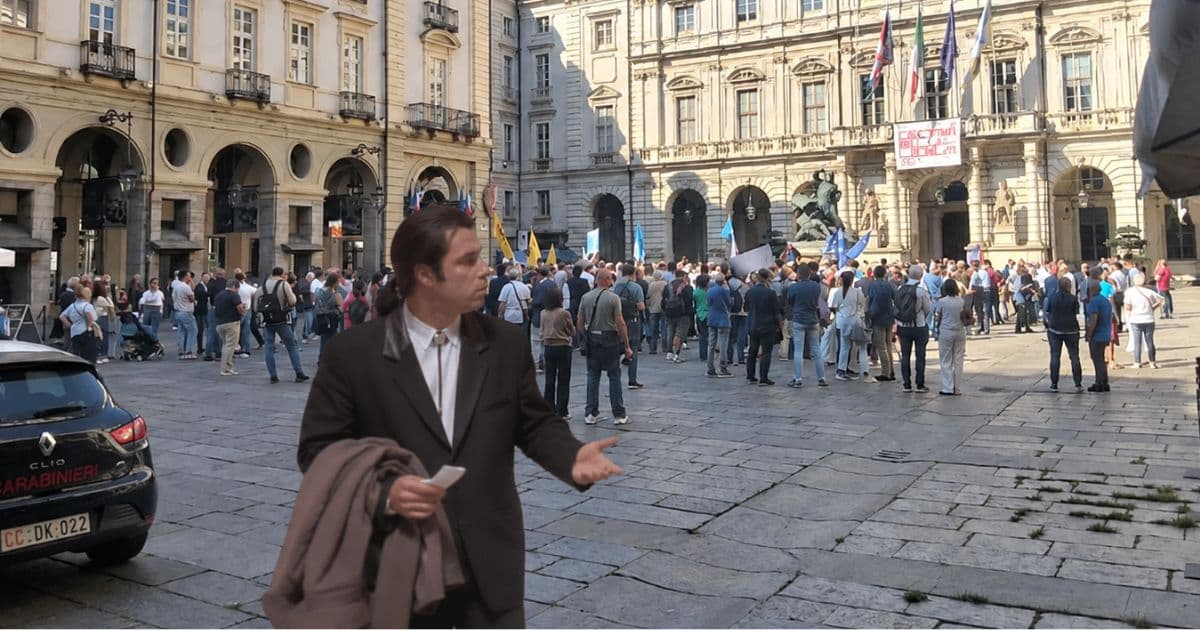
I Sì Tav scendono in piazza: una vittoria No Tav
Doveva essere la risposta del fronte Sì Tav. La dimostrazione che, nonostante anni di cantieri, proteste e contestazioni, attorno alla Torino-Lione esistesse un consenso ampio e capace di mobilitarsi. Eppure ieri a Torino, si sono presentate forse 200 persone, pure secondo la Digos. Boni, probabilmente rimandato più volte in matematica nella sua carriera scolastica, ne […]
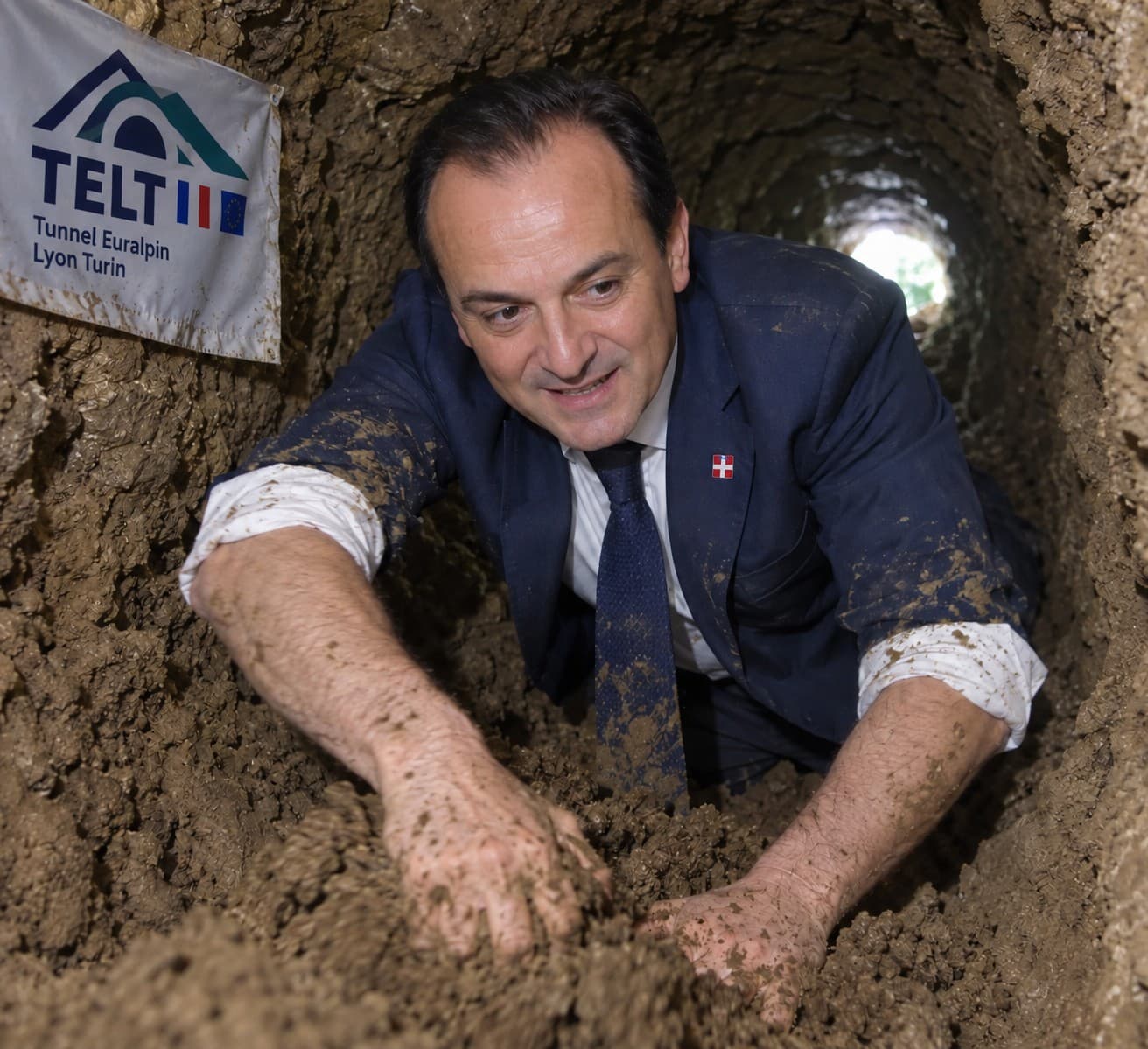
Tav: l’Europa concede la scadenza al 2027. In Regione, Cirio prova “democraticamente” a chiudere il dibattito
Da una parte c’è un’opera che, a sentire la politica piemontese (e non solo) sarebbe ormai fatta, finanziata, appaltata e addirittura prossima al traguardo. Dall’altra ci sono i cantieri, i cronoprogrammi e le scadenze europee, che continuano a raccontare una storia diversa. È questo il paradosso emerso il 16 settembre, durante la seduta straordinaria del […]
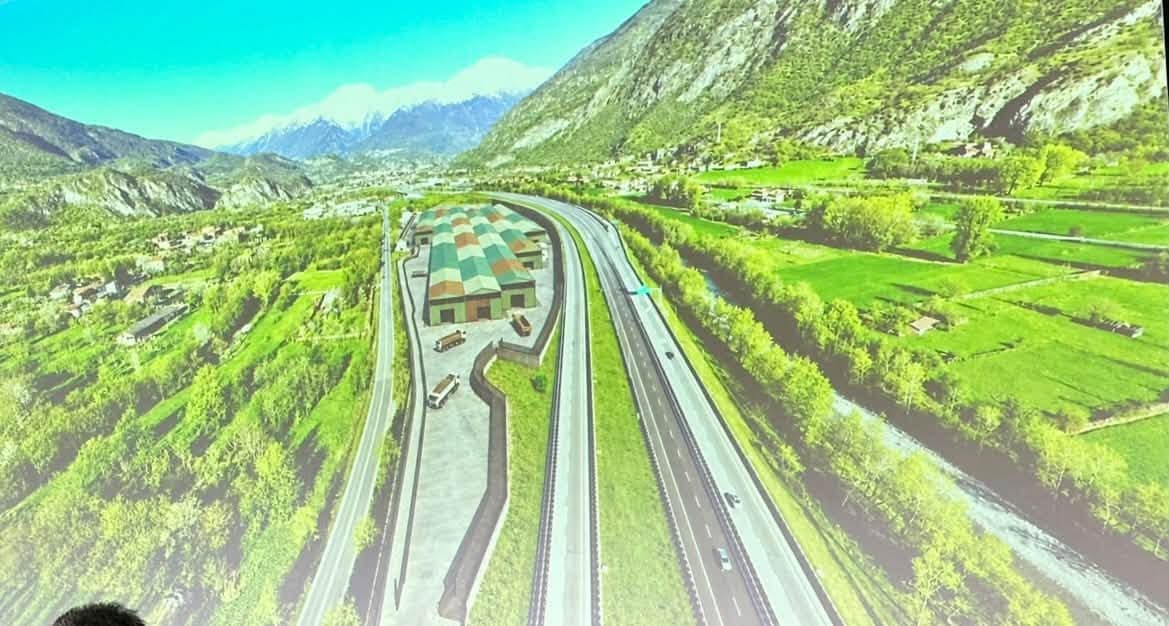
Noi, loro e gli altri: tra propaganda, falsità e non detti (VIDEO)
Ieri pomeriggio, martedì 15 settembre, si è tenuto l’incontro “pubblico” di TELT con la cittadinanza, a Susa presso il Castello Adelaide. Le virgolette attorno alla parola pubblico si rendono necessarie visti gli innumerevoli filtri da superare per raggiungere suddetto incontro. Accredito obbligatorio, superamento di cordone di polizia e digos, sette liste diverse da cui essere […]
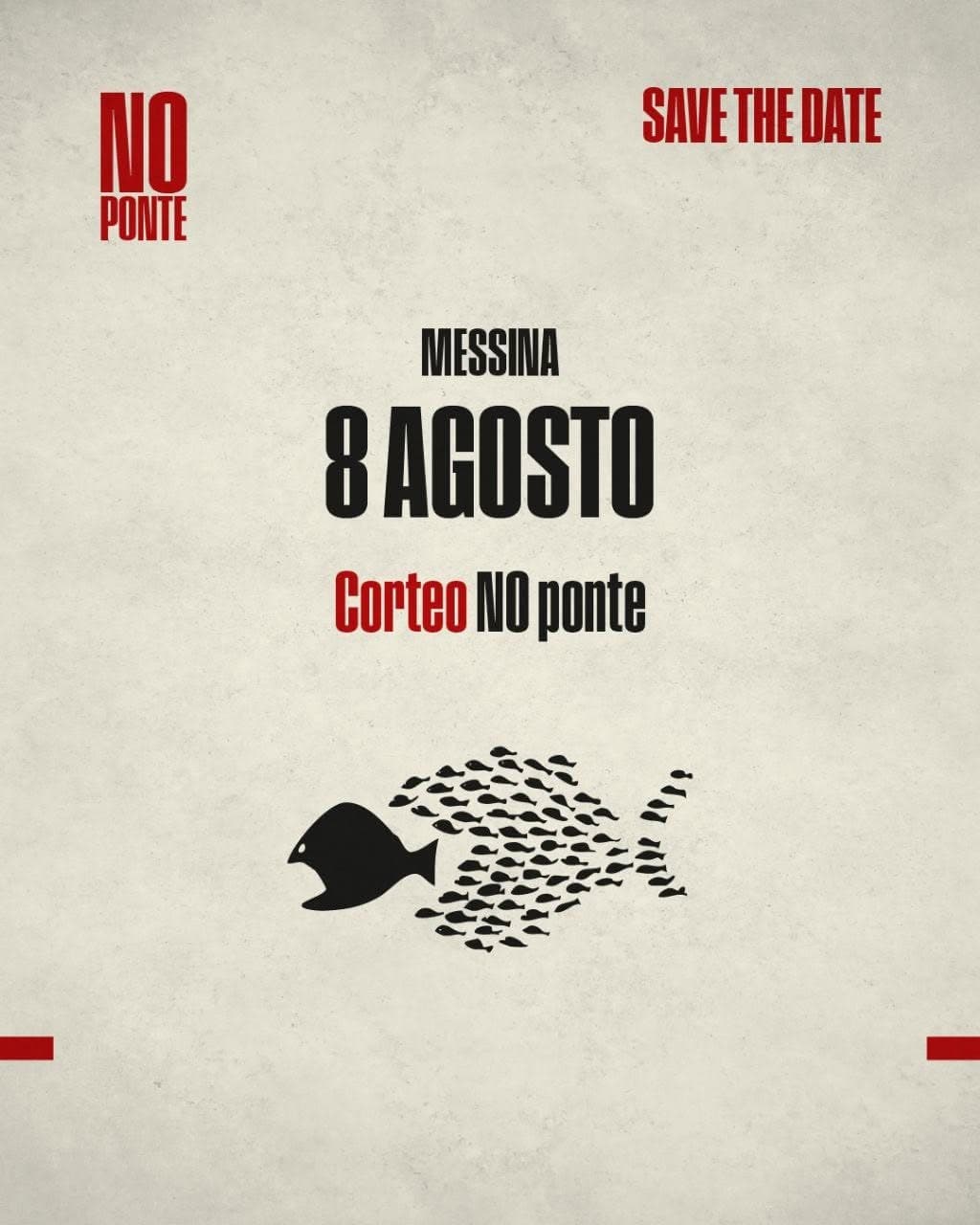
08/08 Corteo No Ponte: chiudere la Strettodimessina SPA (VIDEO)
Ieri, 8 agosto, una delegazione di No tav ha partecipato al corteo No Ponte che si è svolto all’interno di tre giorni di mobilitazione e campeggio a Messina dal 7 al 9 agosto. Come Movimento, da sempre, siamo vicini alla lotta conttro il ponte sullo stretto di Messina, per le stesse identiche ragioni per cui […]